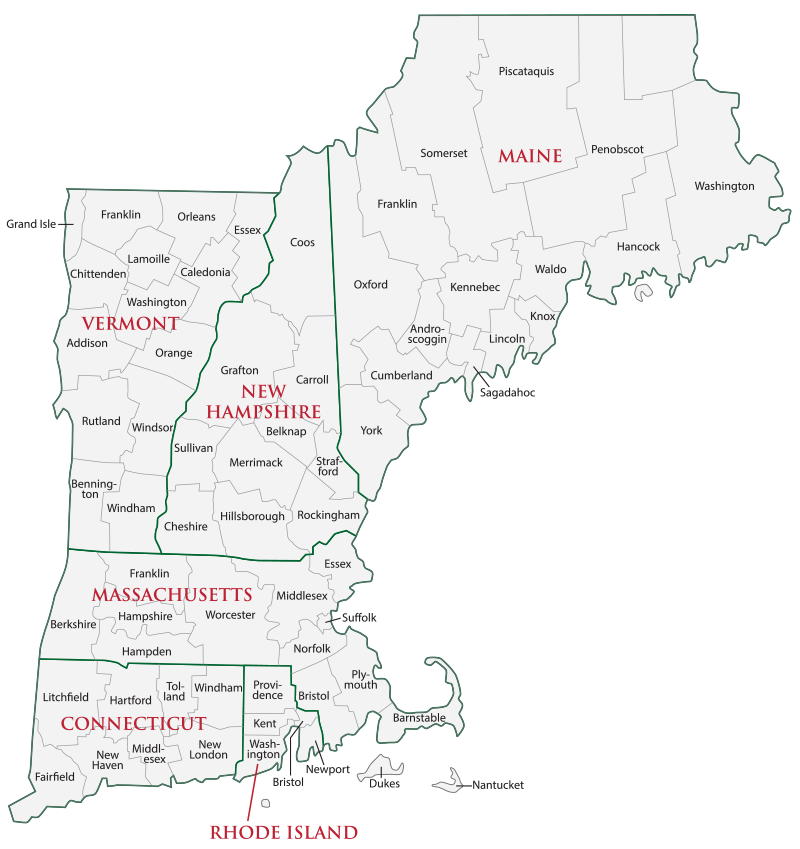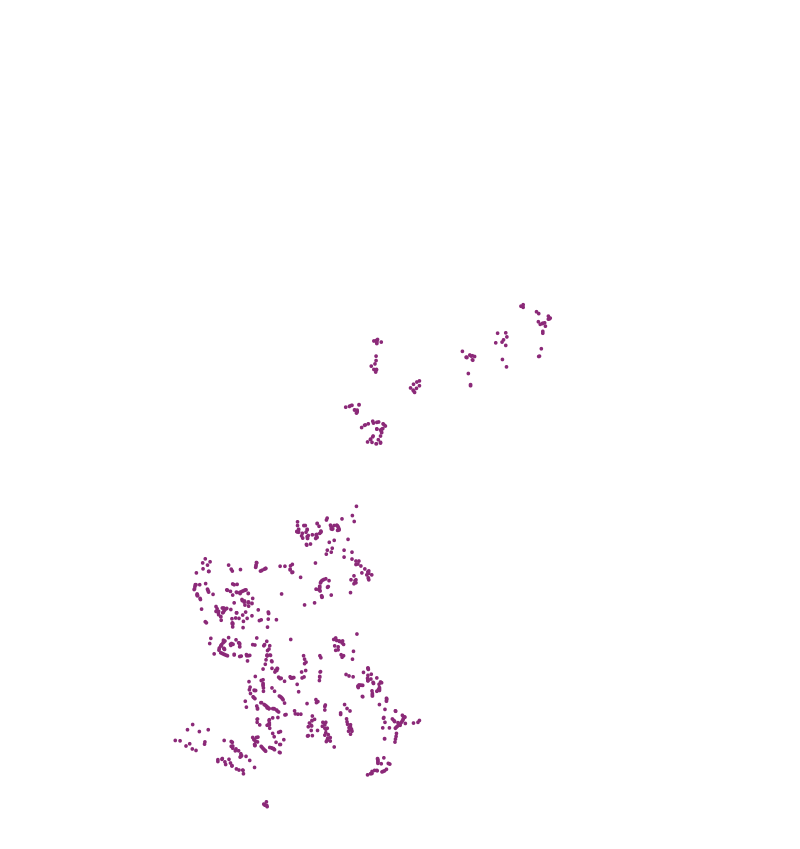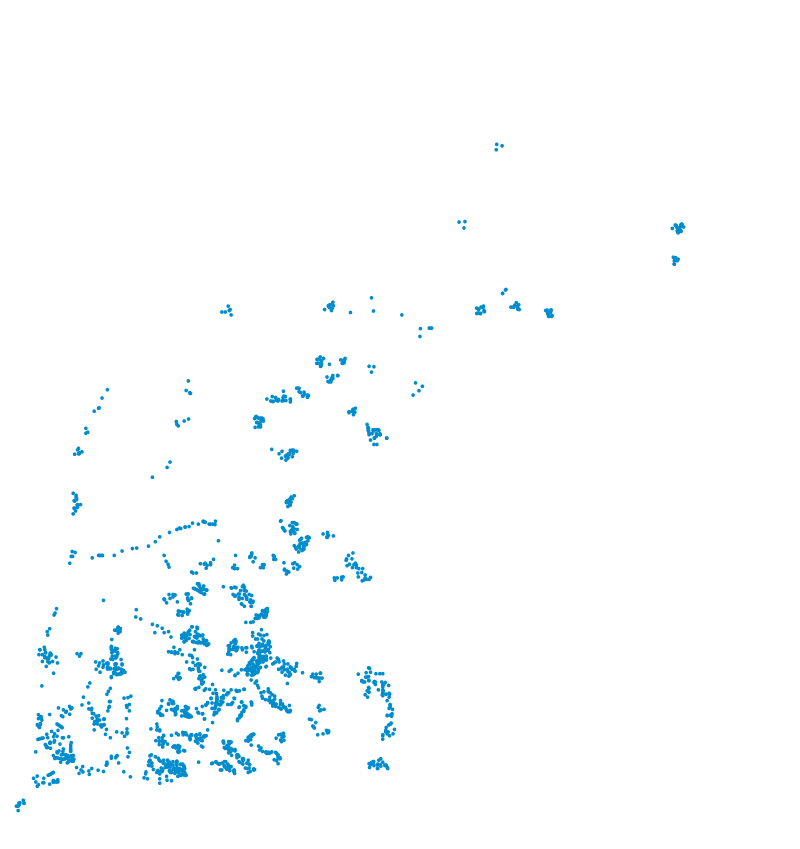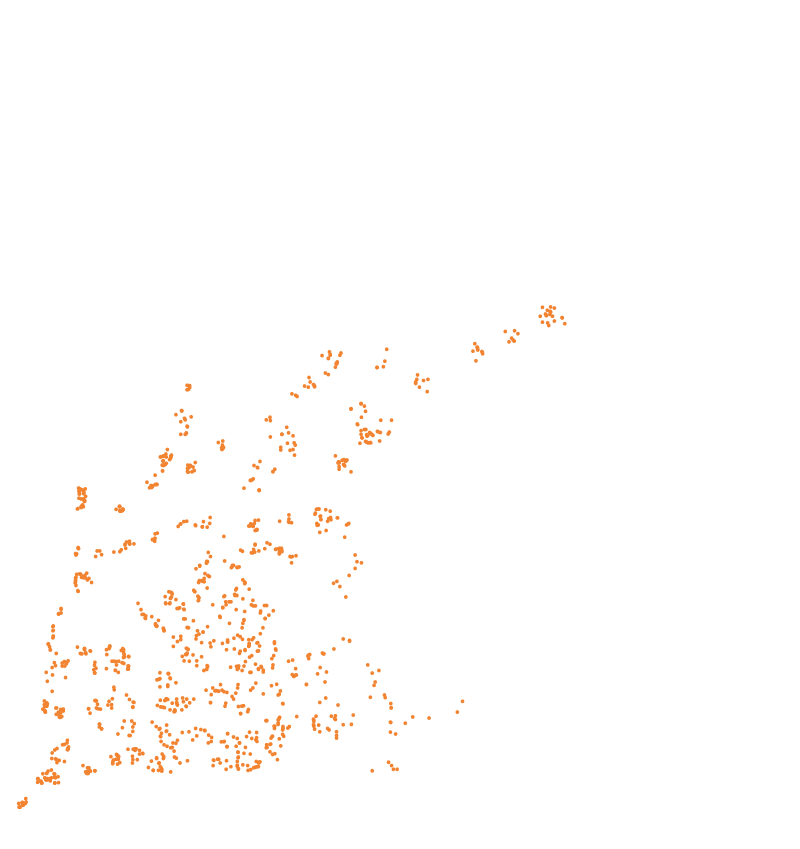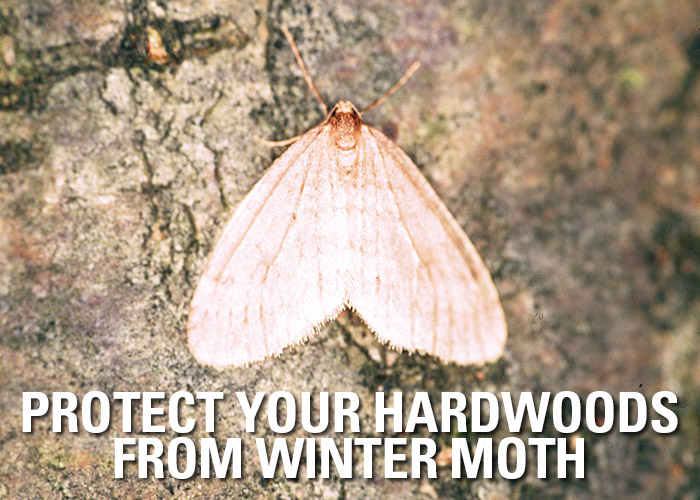
Winter Moth is an invasive pest that causes severe defoliation and mortality in hardwood trees. The larvae begin feeding in early Spring on developing leaves with severe infestations causing noticeable tree defoliation. In June, they drop to the ground to pupate in the soil until the fall. You will start to notice adult Winter moths […]
Read More

By Zac Purinton, Arborjet Inside Sales/Technical Support As a former Assistant Superintendent, I understand all the things that can get in the way when managing 150 or more acres of turf, trees, and landscape. When problems arise, it is not sustainable to simply remove every tree. Arborjet is here to help you with that pesky […]
Read More

Invasive insects have been hitting the West Coast hard over the past few years. The Polyphagous and Kuroshio Shot Hole Borers have been attacking more than 300 species of trees between San Diego and San Luis Obispo Counties, killing hundreds of thousands. Arborjet has been working on this since 2012 in the Pasadena area. These […]
Read More

Rugose Spiraling Whitefly infestation is easy to identify due to the sticky, sugary and messy “honeydew” the insect produces. Black sooty mold may also grow on the honeydew, drawing further attention. The most obvious sign of an infestation is seeing the flies themselves as well as the white spiraling patterns they make on the bottoms […]
Read More
There are numerous species of bark beetles, which infest conifers throughout North America. Adults tunnel through the bark, mate, and lay eggs in the phloem (inner bark). The larvae develop in the phloem and cambial region, while pupal development is completed in the outer bark. Adults develop from pupae and emerge by boring out through […]
Read More
Winter Moth is an invasive pest that causes severe defoliation and mortality in hardwood trees. The larvae begin feeding in early Spring on developing leaves with severe infestations causing noticeable tree defoliation. In June, they drop to the ground to pupate in the soil until the fall. You will start to notice adult Winter moths […]
Read More
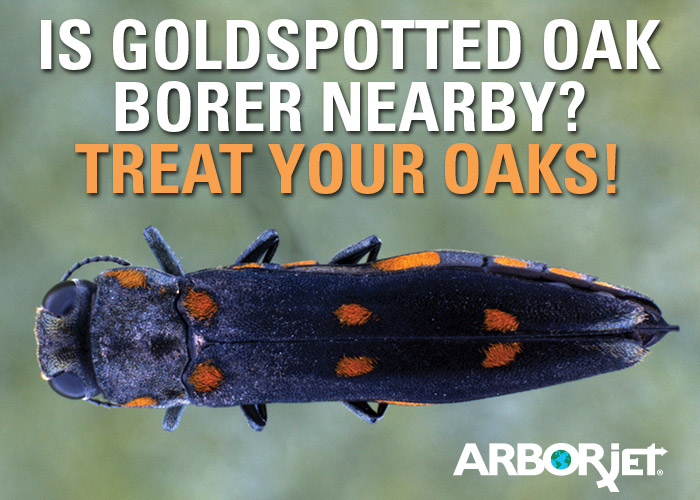
The Goldspotted Oak Borer (GSOB) is a flat-headed borer that was originally found around the San Diego, California area. GSOB are currently known to attack three species of oak: coastal live, canyon live, and California black. Adult GSOB are usually 10mm in length and have bullet-shaped black bodies with gold spots on their sides. Oaks with […]
Read More
“It was a beautiful day and we were very pleased to donate a few liters of TREE-äge® insecticide for the treatment of 20 ash trees at the Holocaust Memorial site in downtown Boston. These effective injections will protect them from Emerald Ash Borer,” said Leah Hancock, Arborjet’s Product Marketing Manager. The New England Holocaust Memorial […]
Read More
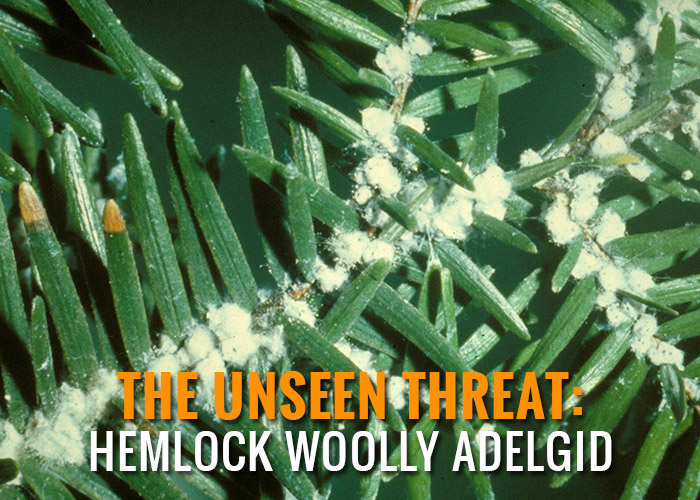
The Hemlock Woolly Adelgid (HWA) is a tiny, piercing and sucking insect, unseen with the naked eye that feeds on hemlock twigs at the bases of the needles. HWA is an invasive species from Asia which has infested the US East Coast hemlock forest from New Hampshire to Georgia, inhibiting twig growth throughout. It has […]
Read More
Thrips are slender, tiny insects (generally 1 mm or less) that often have fringed wings. Nymphs lack wings, are elongate, and range in color from off-white or yellow to brown or black. Some common names for thrips include thunderbugs, storm flies, thunderblights, storm bugs, and corn lice. Most thrips feed by sucking out cell contents […]
Read More