Japanese beetles hatch early in the summer, typically around July 4th, leaving most of the season for them to cause plant damage to forests, farms, flowers, ornamental trees, and shrubs. If you see an iridescent copper and green colored beetle, contact us to consider treatment options for your clients. Here are our recommendations for this […]
Read More

As temperatures begin to rise across the country and spike even higher in traditionally warm areas, protecting drought-stressed trees should take precedence in your recommended treatment plan. Trees suffering from drought stress have increased risk of damage from attacking insects, diseases, heat, and cold. Here are some pests to be aware of and treatments to […]
Read More
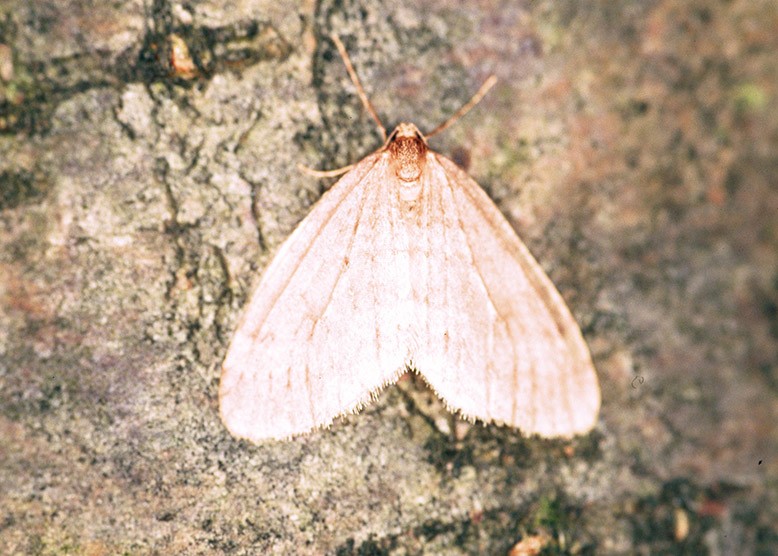
Have you noticed suspicious moths fluttering around, though the weather is getting colder and we’re heading into winter? They could be Winter Moth (Operophtera brumata), and the hardwood trees in your landscape may be in danger. Make sure infestation doesn’t take its toll next year by planning your early spring treatment now. The Origin […]
Read More

Do you live on the west coast? If so, your trees may be at risk for Bronze Birch Borer (BBB) and scale. If you’re an arborist, landscape professional, or home owner, you should be aware of the solutions available to combat these nuisances. It’s not too late to treat this summer and fall! By protecting […]
Read More
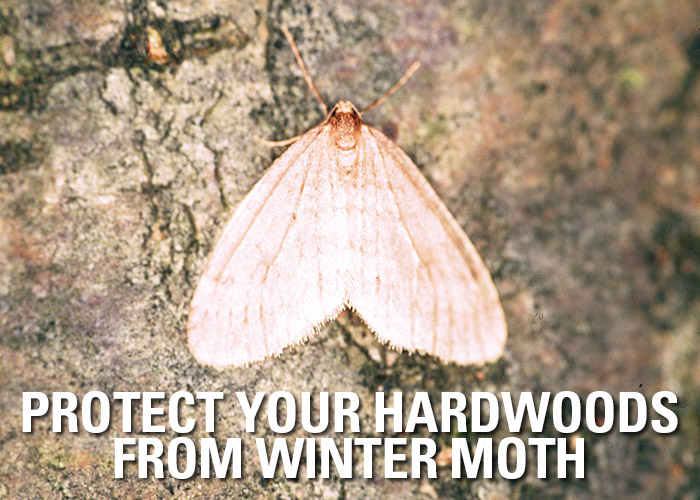
Winter Moth is an invasive pest that causes severe defoliation and mortality in hardwood trees. The larvae begin feeding in early Spring on developing leaves with severe infestations causing noticeable tree defoliation. In June, they drop to the ground to pupate in the soil until the fall. You will start to notice adult Winter moths […]
Read More
Winter Moth is an invasive pest that causes severe defoliation and mortality in hardwood trees. The larvae begin feeding in early Spring on developing leaves with severe infestations causing noticeable tree defoliation. In June, they drop to the ground to pupate in the soil until the fall. You will start to notice adult Winter moths […]
Read More
Thrips are slender, tiny insects (generally 1 mm or less) that often have fringed wings. Nymphs lack wings, are elongate, and range in color from off-white or yellow to brown or black. Some common names for thrips include thunderbugs, storm flies, thunderblights, storm bugs, and corn lice. Most thrips feed by sucking out cell contents […]
Read More